

In traffic accidents, excessive speeding by the driver and falling asleep while driving are considered the causes of accidents. Dr. Öğr. Üyesi Rüştü Uçan, Head of the Occupational Health and Safety Department at Üsküdar Üniversitesi, states that drivers are the last and weakest link in the chain of traffic accidents, and adds that the bonus system applied by employers, in addition to adverse working and resting conditions, also leads to traffic accidents. Lecturer Özgür Şener, on the other hand, points out that the root cause of traffic accidents should not be sought in the driver but in the system the driver works within, and highlights that the ''2021-2030 Road Safety Strategic Plan,'' prepared under the auspices of the Presidency, aims to reduce traffic accidents and related deaths by 50 percent by 2030.
Content
Drivers are the last and weakest link in the accident chain…
The cause of accidents should be sought not in the driver, but in the system they work within!
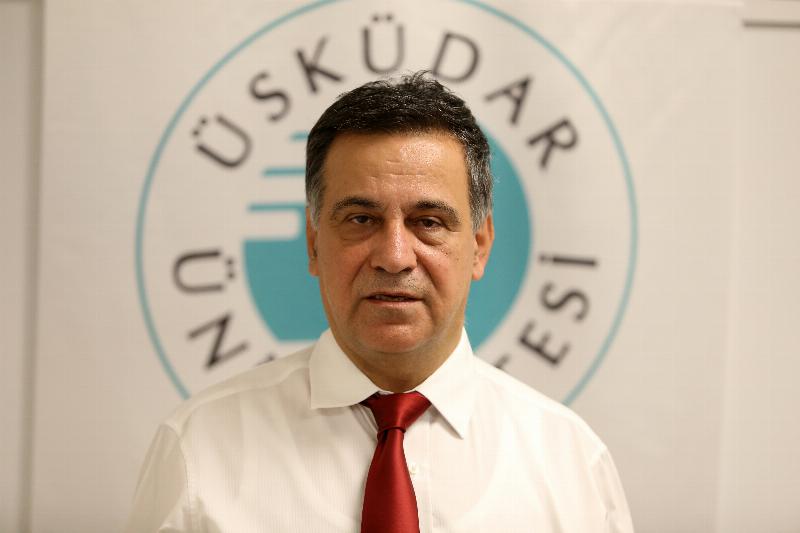
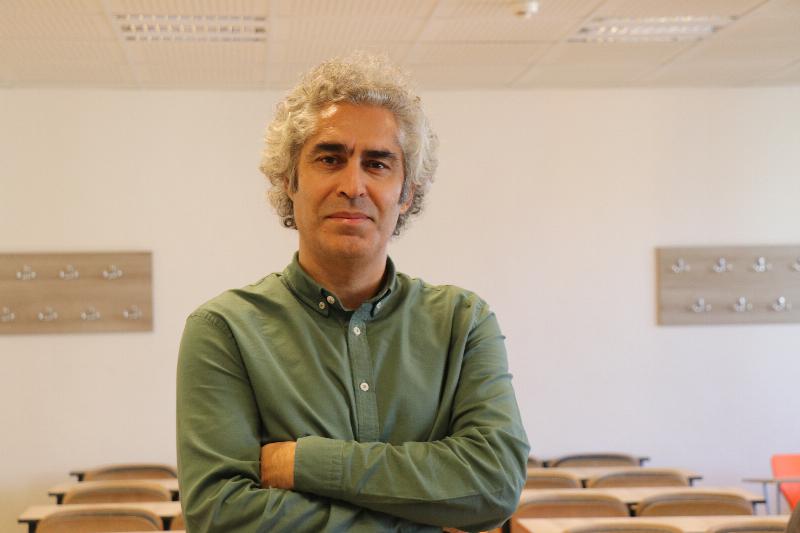
Dr. Öğr. Üyesi Rüştü Uçan, Head of the Occupational Health and Safety Department at Üsküdar Üniversitesi Faculty of Health Sciences, and Lecturer Özgür Şener drew attention to the causes of major accidents involving large vehicles such as trucks and buses in recent days and made important evaluations.
The first question to ask is 'Why?'
Occupational Health and Safety expert Asst. Prof. Dr. Rüştü Uçan emphasized that as long as we do not cease searching for which fault of the driver or vehicle caused each traffic accident, it will be impossible for us to understand the root causes of traffic accidents. He stated, “Excessive speeding by the driver and falling asleep at the wheel while driving are the apparent causes of these traffic accidents. The first question we must ask is; ‘Why?’ Buses, trucks, and lorries are considered commercial vehicles. We can say that all conditions for an employer, drivers, and vehicles to conduct commercial activities are determined by relevant regulations. The root cause we should look for after a traffic accident will be found in whether the employer carried out this cargo and passenger transport activity in minimal compliance with legal regulations.”
Drivers are the last link in the chain of accidents
Asst. Prof. Dr. Rüştü Uçan stated that drivers are the last and unfortunately weakest link in the chain of traffic accidents. He said, “There is no other solution than for the employer to establish a system to prevent traffic accidents within the scope of cargo and passenger transportation activities they undertake, and to continuously improve this system. Given that traffic accidents can result in human fatalities and injuries, it is certain that this issue is too important to be left to the drivers' initiative.”
The reason for drivers exceeding the speed limit must be understood
Asst. Prof. Dr. Rüştü Uçan first drew attention to the issue of exceeding speed limits and listed the questions that should be asked to ensure control and prevent accidents:
• Has the employer ensured that a travel plan has been made allowing the driver to cover the distance of the journey within legal speed limits, take breaks within legally defined periods, drive within legally defined periods, and work and rest within legally defined periods?
Have companies established and are they monitoring systems that can remotely track the driver's driving habits?
Do they inform drivers who do not comply with speed limits about these violations and ensure their compliance with legal speed limits?
• Are drivers' exposures to stop-and-go traffic, especially in metropolitan areas, taken into account?
Fatigue is also a significant accident factor
Emphasizing that drivers' fatigue levels are another important accident factor, Asst. Prof. Dr. Rüştü Uçan also shared questions that should be asked from the employers' perspective:
• Has the employer established a system to ensure the driver works in accordance with legal driving, working, and resting hours?
• Is the employer closely monitoring the driver's health status? Does the driver have chronic conditions such as visual impairments, hearing difficulties, sleep apnea, heart disease, or diabetes that could affect safe driving, or have they developed recently?
• Is the employer aware of changes in the driver's personal life? Do they know and evaluate conditions in their private life that could affect their time at the wheel, such as taking on credit debt, marriage, divorce, loss of a loved one, significant financial losses, serious health deteriorations of relatives, or having a new child? Do they take appropriate measures for these conditions?
• Has the employer established a system that allows the driver to be at home at certain times, getting home sleep or bed sleep in a hotel? Or have they established a system where the driver will sleep in the vehicle almost every day of the week?
The bonus system triggers accidents
Asst. Prof. Dr. Rüştü Uçan stated that dozens more of these questions should be asked and continued to be asked until the answers are at least in compliance with legal regulations, and subsequently until decent working conditions are provided. He said, “It is possible for taxi, minibus, shared taxi (dolmuş) drivers, excavation trucks, concrete mixers, concrete pumps operating within provincial limits, and couriers with vehicles and motorcycles to fall asleep at the wheel, as their working, driving, and resting hours are entirely at the discretion of the employer and driver, and without tachographs to record working, driving, and resting periods, they are subject to almost no control systems. When unfavorable conditions like these are coupled with bonus systems based on per trip, per delivery, and per kilometer driven, traffic accidents become inevitable.”
Strategic plans have been developed
Occupational Health and Safety expert Lecturer Özgür Şener stated that our country, acknowledging the importance of all elements in traffic for preventing traffic accidents, has adopted the "Safe System Approach" embraced by countries working in the field of Road Traffic Safety, through its 2021-2030 Road Safety Strategic Plan. He said, “The '2021-2030 Road Safety Strategic Plan,' prepared in 2021 under the auspices of the Presidency, aims to reduce traffic accidents and deaths by 50 percent by 2030 and has adopted the 'Zero Fatalities' approach. The prepared plan, by focusing on people, has abandoned the classic approaches of 'Humans are the Cause of Traffic Accidents' and 'Accident-free goals can be achieved by educating people,' instead embracing the 'Safe System Approach.'”
It has 4 critical components
Şener stated that the ''Safe System Approach'' acknowledges that human beings are fallible. He said, “This approach also reveals that the goal of accident-free conditions cannot be achieved solely through human beings; instead, a system infrastructure encompassing all critical components of roads and traffic must be established. This components consist of ‘Safe Roads,’ ‘Safe Vehicles,’ ‘Continuous and Effective Traffic Enforcement,’ and ‘Safe Drivers.’”
A Road Traffic Safety Management System should be established
Lecturer Özgür Şener noted that countries working in the field of Road Traffic Safety and aiming to prevent traffic accidents have accepted and adopted that this goal can be achieved by establishing a system infrastructure. He said, “Risk analyses should be conducted for specific sectors, ensuring that high-risk sectors do not commence commercial activities without establishing a 'Road Traffic Safety Management System' and effectively operating these systems. It should be mandated that companies currently engaged in commercial activity establish these systems. The root cause of traffic accidents should not be sought in the driver but in the system the driver works within.”
Share
Request a Call
Other News
- Tarhan: "We are going through a period where the fondness for luxury is a global threat"
- Aging was made to feel like a shame that should be hidden!
- The role of academia in combating violence against women was discussed…
- Midwifery students met in orientation program…
- Aging and loneliness in the same book!