

Stating that earthquakes affect children, pregnant women, individuals who have lost their loved ones, and people with mental illnesses in terms of causing trauma, Dr. Mert Akcanbaş draws attention to the necessity of avoiding certain phrases when speaking with people who have experienced the earthquake. Speaking about the importance of the approach to people who have experienced the earthquake, Dr. Mert Akcanbaş said that critical and accusatory remarks should be avoided, and conversations like ‘Time heals everything,’ ‘Pray, you are alive,’ and ‘Think of those who are in a worse situation than you’ should be avoided.
Content
Do Not Say These Sentences to Earthquake Victims!
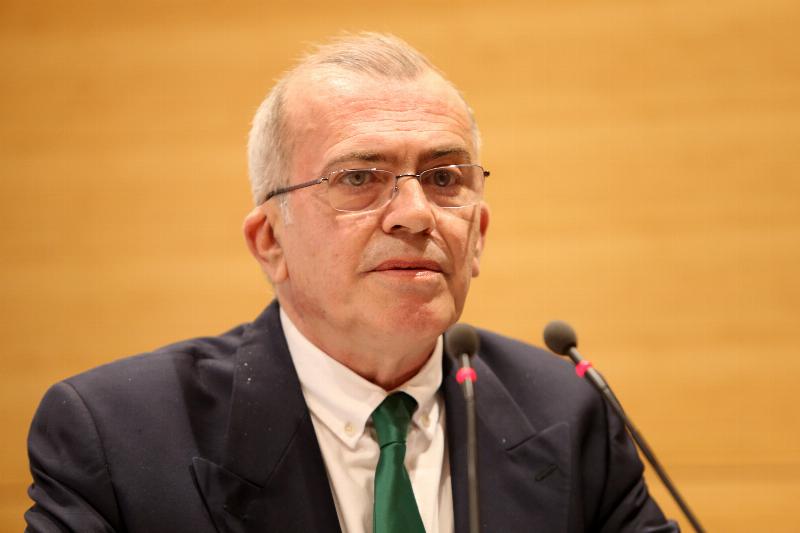
How should the approach to earthquake victims be?
Dr. Mert Akcanbaş, Lecturer at Üsküdar Üniversitesi Faculty of Humanities and Social Sciences, Department of Psychology, made remarkable evaluations regarding traumas emerging after natural disasters. Dr. Mert Akcanbaş specifically touched upon phrases that should not be used and approaches that should be shown when speaking with individuals who have experienced the earthquake.
Trauma occurs unexpectedly
Stating that the condition emerging after directly encountering death, severe injury, and sexual assault, witnessing it, learning that it happened to loved ones, or being exposed to the details of such events due to one's profession is defined as psychological trauma, Dr. Mert Akcanbaş said, “Trauma can happen to anyone. However, some people do not develop Post-Traumatic Stress Disorder (PTSD) even after experiencing trauma. The probability of PTSD is not known to have a connection with personality structure. The frequency and intensity of PTSD symptoms developed by an individual can be measured with specific tests. The main characteristic of trauma is that it emerges suddenly and unexpectedly. Even if we know there is an earthquake risk, the disaster will occur suddenly as we cannot know its timing.”
PTSD prevalence rates vary according to disaster type
Stating that the prevalence rates of PTSD emerging after various natural disasters in different countries show different data in various studies, Dr. Mert Akcanbaş said, “For example, while PTSD prevalence rates for adults range from 4.1% to 67.7%, this rate is 2.07% – 37% for floods and 9% – 36.7% for large fires. After traumatic events, acute stress reactions are first observed, and these last from 3 to 30 days after the event. However, if it lasts longer than 30 days, treatment becomes necessary as the stress becomes chronic and turns into PTSD.”
Children and individuals with mental illnesses are at risk
Dr. Mert Akcanbaş said, “The most at-risk groups in earthquakes are pregnant women, women, children, children living in social welfare institutions, individuals with physical and mental illnesses, individuals who have lost their loved ones, those with addiction problems, and personnel involved in aid activities in the region. It is known that cases of depression and suicide increase after earthquakes experienced in various parts of the world.”
Treatment can be applied through many methods
Emphasizing that Post-Traumatic Stress Disorder emerges if symptoms after an earthquake persist for more than 30 days, Dr. Mert Akcanbaş said, “In the treatment of this disorder, some symptoms can be eliminated with medications, as well as with techniques preferred and competently applied by experts, such as Cognitive Behavioral Therapy, EMDR, Exposure Therapy, and Counting Method.”
Promises that cannot be kept should not be made…
Dr. Mert Akcanbaş listed the sentences that should not be said to people who have experienced the earthquake as follows:
- Critical and accusatory language should not be used,
- Technical terms should be avoided in conversations,
- Statements about how victims feel should not be used,
- Explanations like ‘the earthquake was destined,’ or ‘divine will’ should be avoided,
- Conversations like ‘Time heals everything,’ ‘God does not burden a person with more than they can bear,’ ‘Pray, you are alive,’ ‘Think of those who are in a worse situation than you’ should be avoided,
- Promises that cannot be kept should not be made to victims,
- Victims should not be forced to speak,
The privacy of their private lives should be protected
Dr. Mert Akcanbaş shared his recommendations regarding the approaches that should be shown to earthquake victims as follows:
- Victims should be treated with respect,
- Always be accessible,
- Aid should be provided quickly and with quality,
- Victims' traditions and cultural values should be respected,
- The privacy of victims' private lives should be protected,
- Focus should be on victims' needs,
- Even if victims ask the same question repeatedly, they should be answered,
- Victims should be given answers appropriate to their developmental and educational levels,
- Efforts should be made to help victims reach their families, loved ones, and social circles that can support them.
Share
Update Date: March 01, 2026
Creation Date: February 15, 2023
Request a Call
Other News
- Üsküdar University participated in an international exhibition with a child rights perspective
- Solidarity Bazaar for Palestine from Üsküdar Residents
- In additional placements, don't just choose a department, choose the profession of the future!
- 52 Erasmus students from 15 different countries at Üsküdar University
- Visit to Prof. Nevzat Tarhan from the Global Confederation of Civil Society Organizations